An excerpt from Hand Over based on revised versions of its ‘you’ sentences
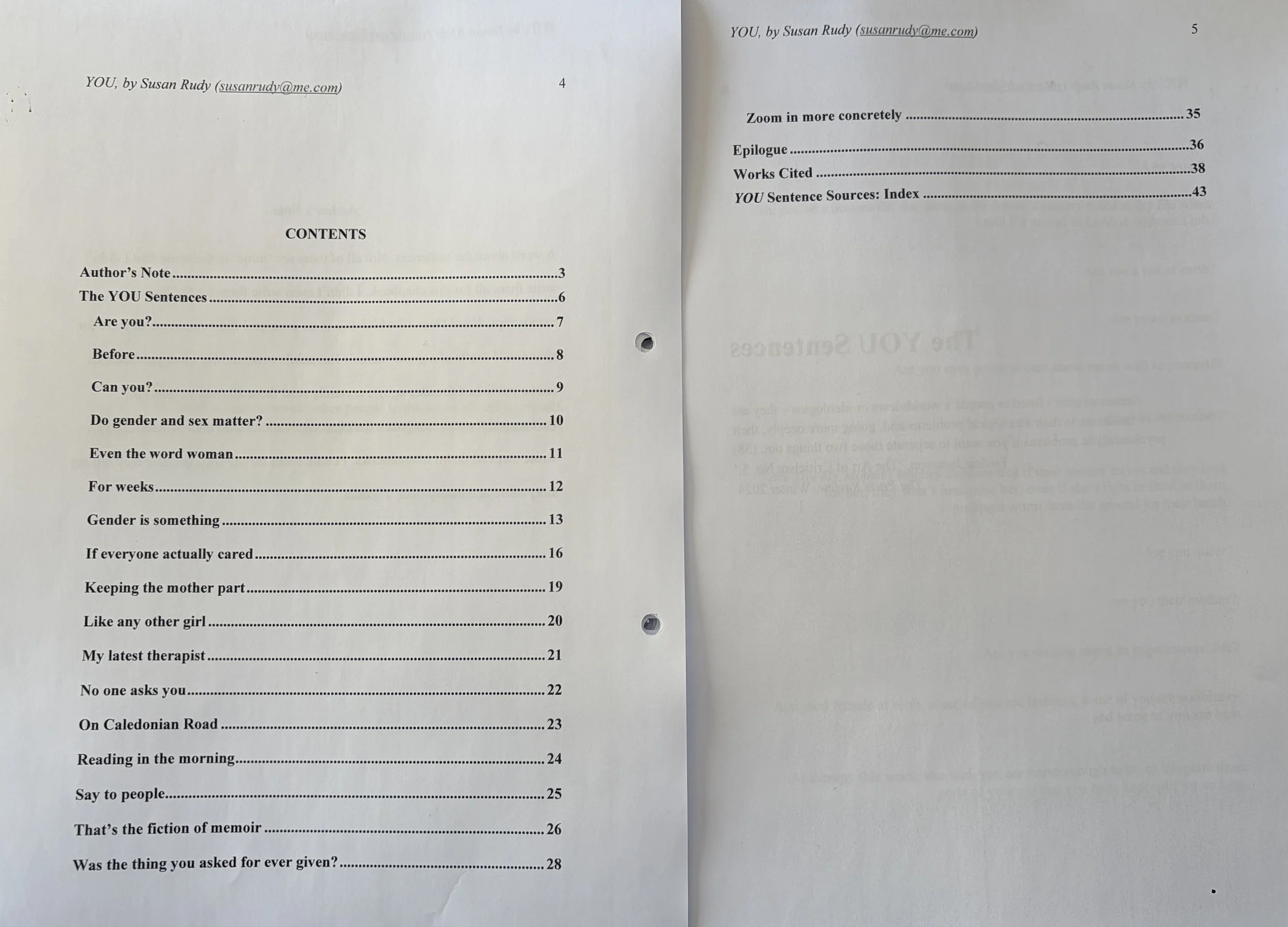
YOU (chapbook)
55 pages. Under review at the Royal College of Art’s draught journal.
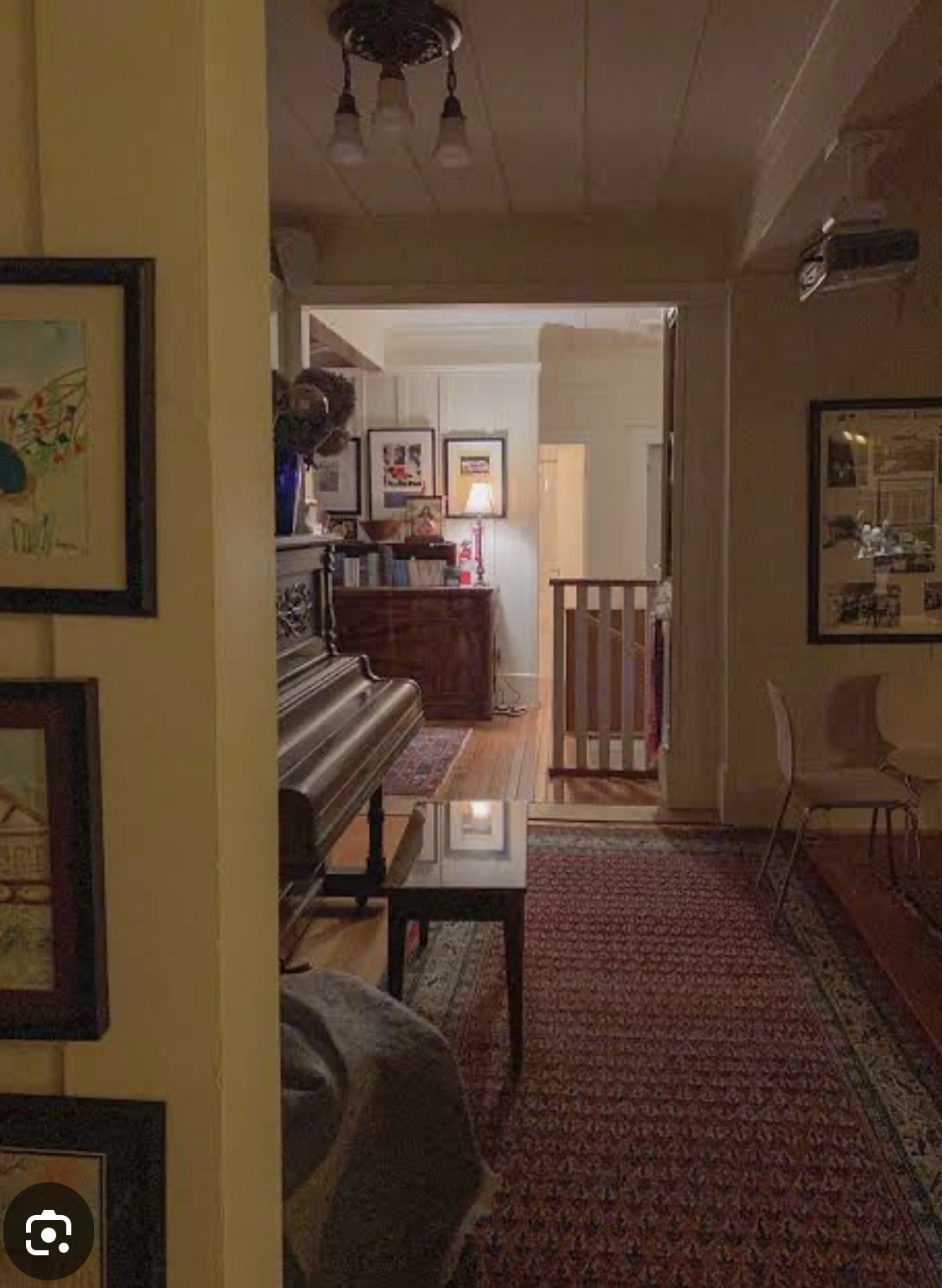
Preparing the penultimate draft of Hand Over
Historic Joy Kogawa House Residency, September 2026
Since 2017, I have been trying to write something about having moved with my Welsh partner from Canada to London at the age of fifty to live the queer intellectual life I’d longed for, but I kept bumping up against the parts of me that didn’t fit in my new life, and the losses I’d experienced to make it happen.
Not only was I queer and an intellectual, I was also a person assigned female at birth and a parent who, for more than twenty years, had lived a putatively heterosexual life. In solidarity with queer and intersectional feminist thought, I wanted to write about my experience as a woman who had never felt like one, a putatively straight woman who had taken more than twenty years to come out as a lesbian, a mother whose children had been parented at least as much by their father as they had been by me, a citizen who had become an immigrant and left home many times, but I wasn’t satisfied with any of my drafts. How, in one book, could I evoke the complexity of my experience?
To address this formal problem, I generated a draft by focusing on the sentence as the unit of composition, the words of others as much as my own, and the practice of writing alphabetically as the solution to my dilemma about how to juxtapose disparate times, spaces, and emotional registers. Searching through my materials – including an archive of early poetry, academic essays, aborted drafts, journal entries, and more than 500 research notes - I selected 1000 sentences which spoke to me as I sat at my desk in a Leighton Studio in Banff. A manuscript of 165 pages emerged when I sorted the sentences alphabetically, inserted spaces between each of them, and created 26 sections by using the first letter of each alphabetized section as a title. As I have been adding references to the more than 350 sentences which are not my own, the manuscript has extended to over 200 pages.
While in residence, my goal will be to bring to completion the writing project described above, which would involve one practical task (completing the sentence references), one substantive editing task (taking on feedback from friends and colleagues), and one emotionally and intellectually demanding task: the criticism from a Canadian poet that my analysis of gender and sexuality in the manuscript does not take on my whiteness. Being based at Kogawa House gives me the opportunity to connect with the diverse local community in Vancouver.
In London, the analysis of race arises out of historical contexts that did not shape me emotionally or intellectually, but in Vancouver I have the opportunity to reconnect with writers with whom I have collaborated in the past, many of them key figures in articulating the impact of racism in Canada, including Fred Wah. Interacting with them and their work will give me the opportunity to think about what these voices mean for what I am trying to achieve with my manuscript in the present.
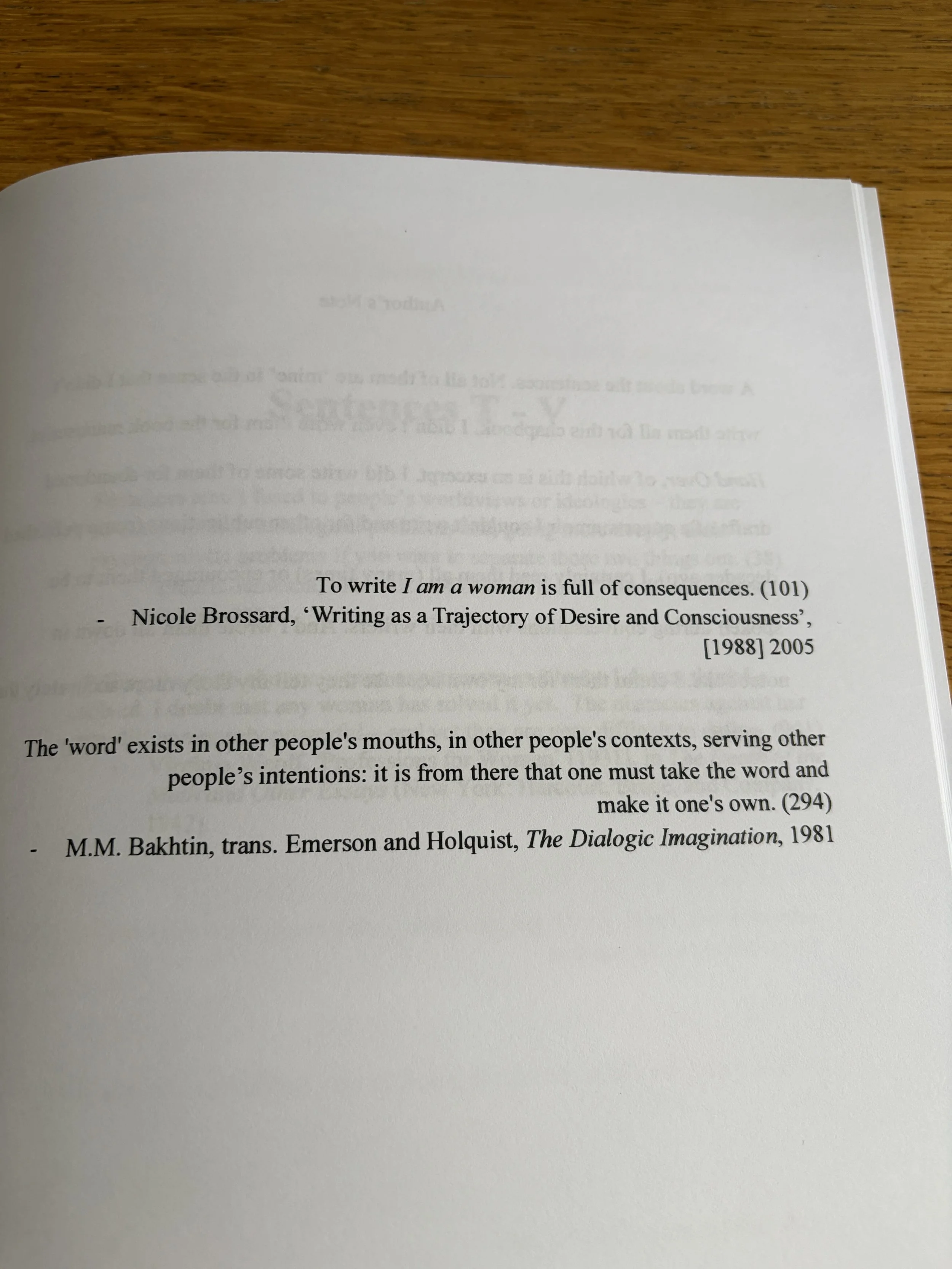
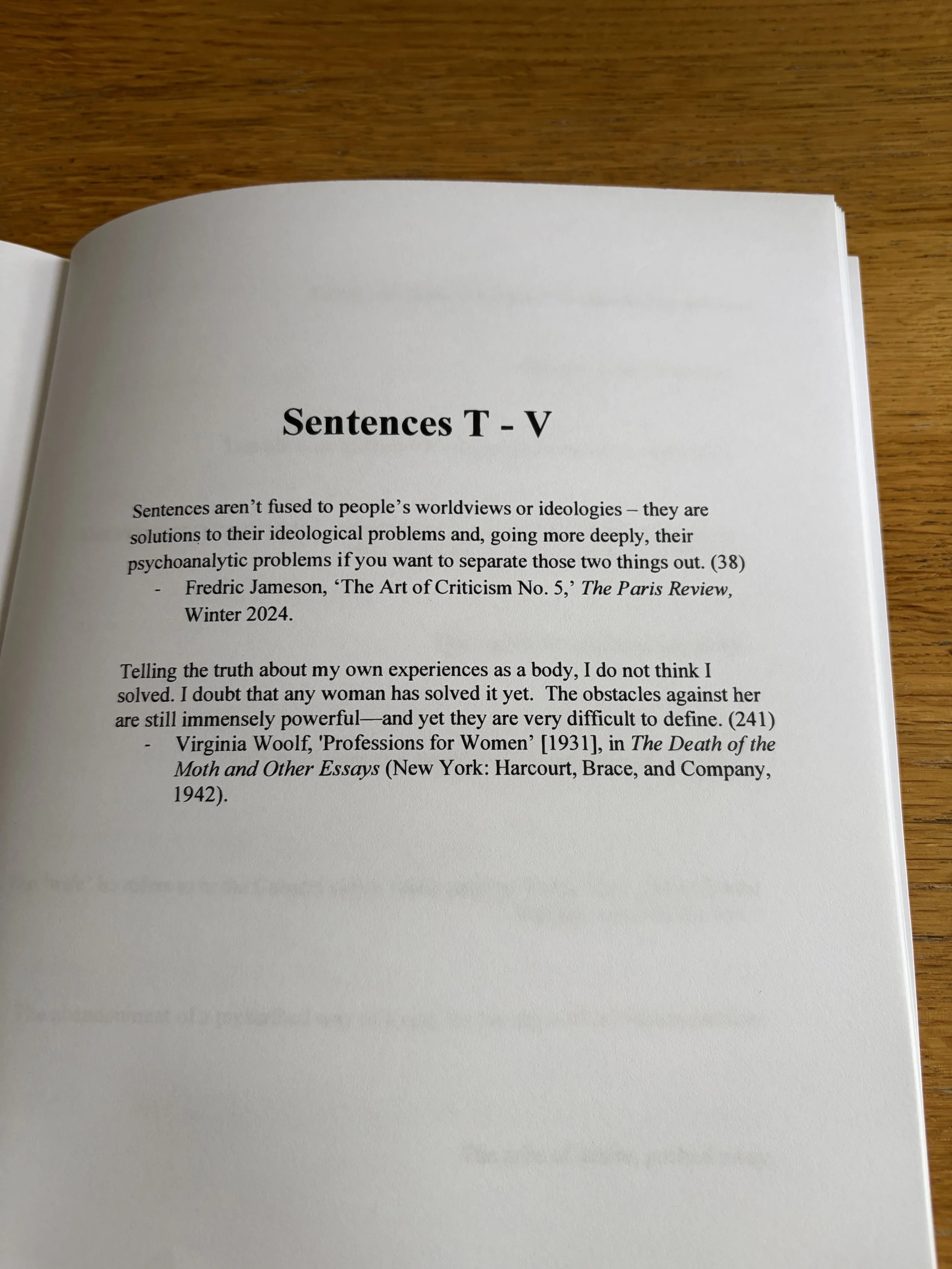
My aims are entirely in line with those of Kogawa House. Although the ‘obstacles’ against queer women are ‘still immensely powerful’ (241), as Virginia Woolf put it in 1931, in my work I seek ‘to tell the truth about my own experiences as a body’.
In its support of marginalized voices and social change, Historic Joy Kogawa House has given me exactly what I need to complete the project. In the words of C.E. Gatchalian, from your website: ‘a place for us writers to free ourselves from the distractions of our normative environments for a few months’. It also gives me a place to focus on the racial complexity of the literary environment that has shaped me. To complete my final draft, I need, not only the support of the community of writers in Vancouver, but space to reflect on what it feels like to bring back to Canada, again, the thinking I have done in London. I need what theHouse would offer: shelter in Vancouver, support from other writers, courage.
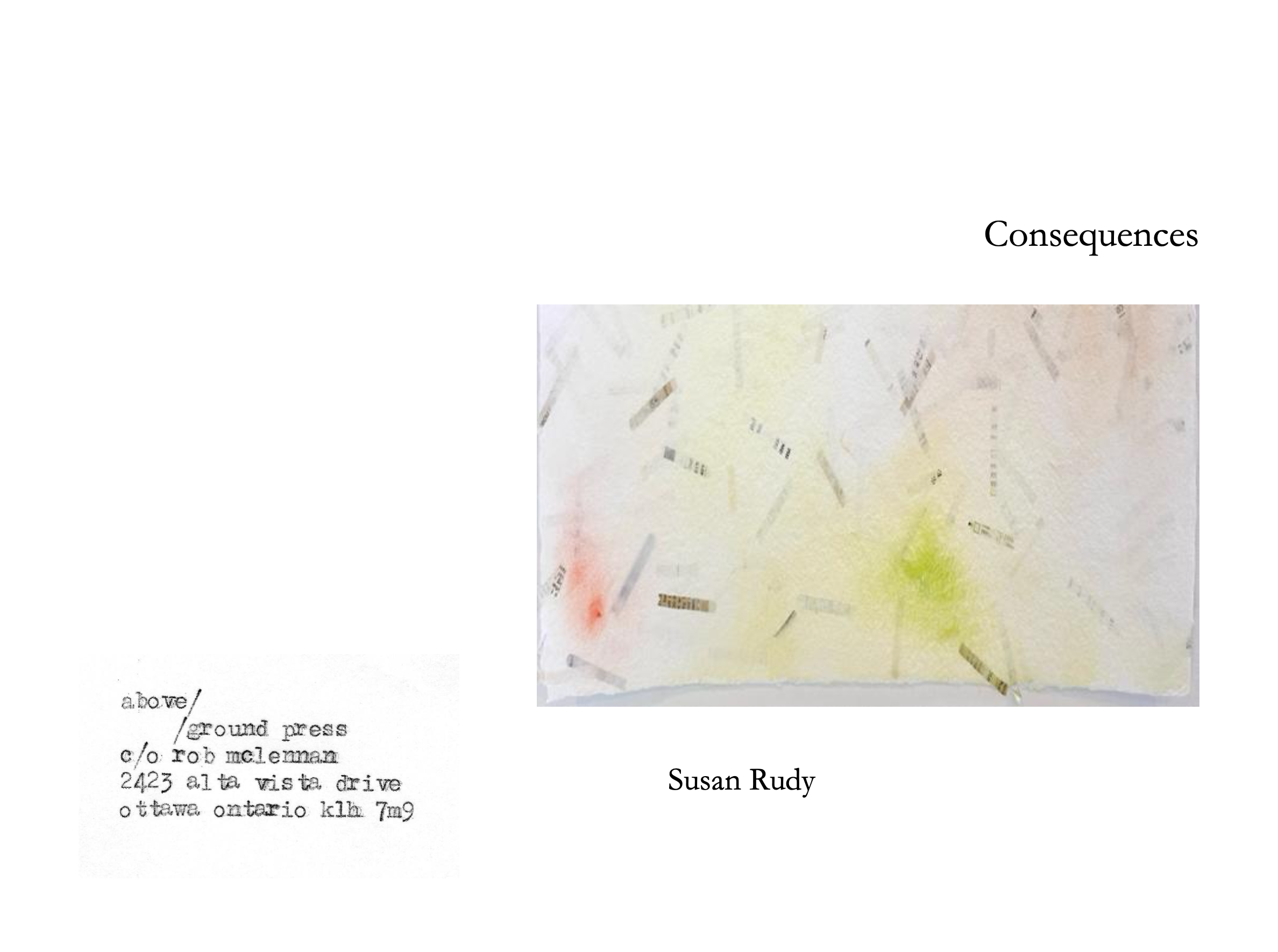
An excerpt from Hand Over
Consequences
Sections T - V of Hand Over
Available online in the UK at Housmans Bookshop
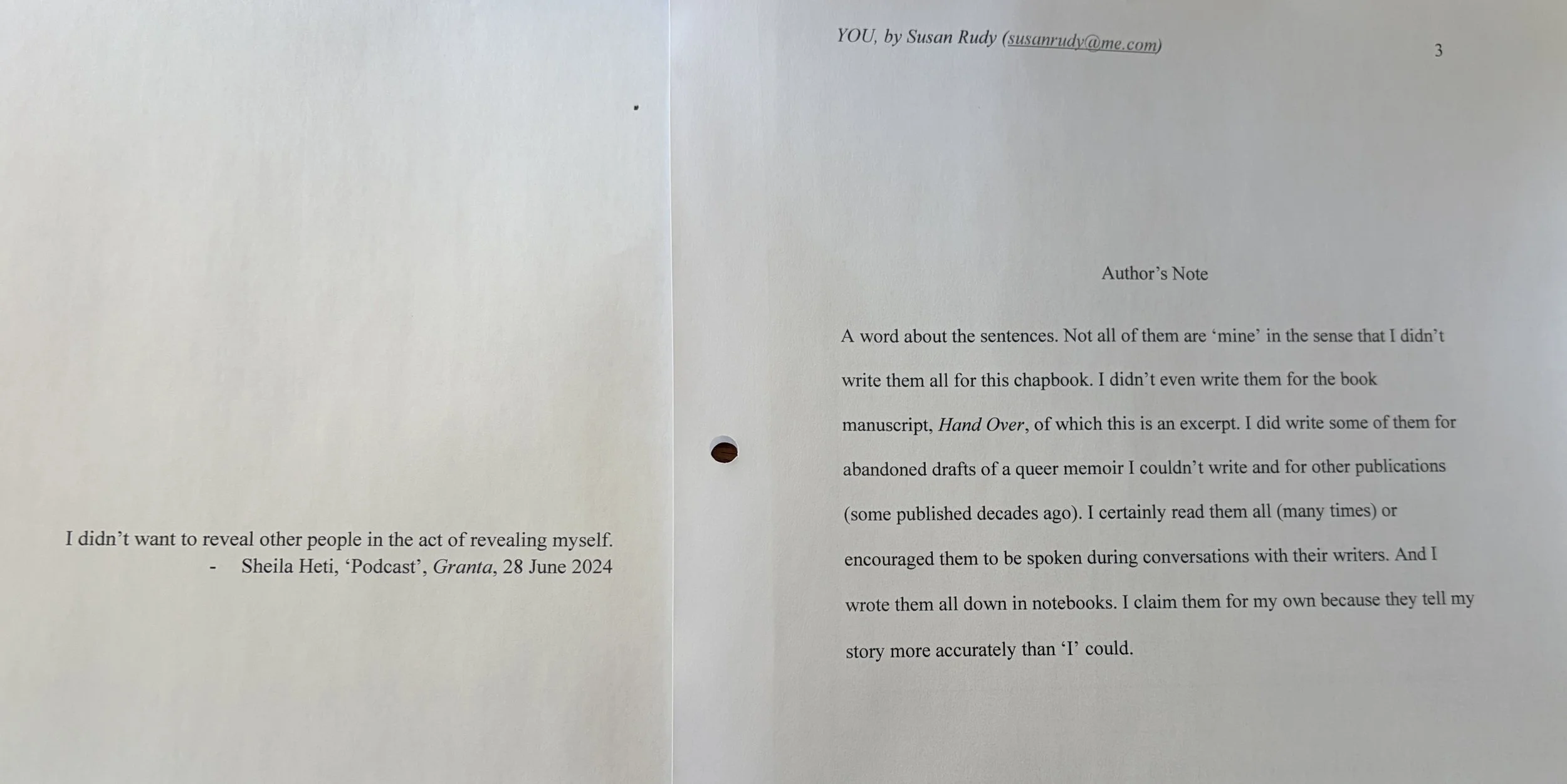
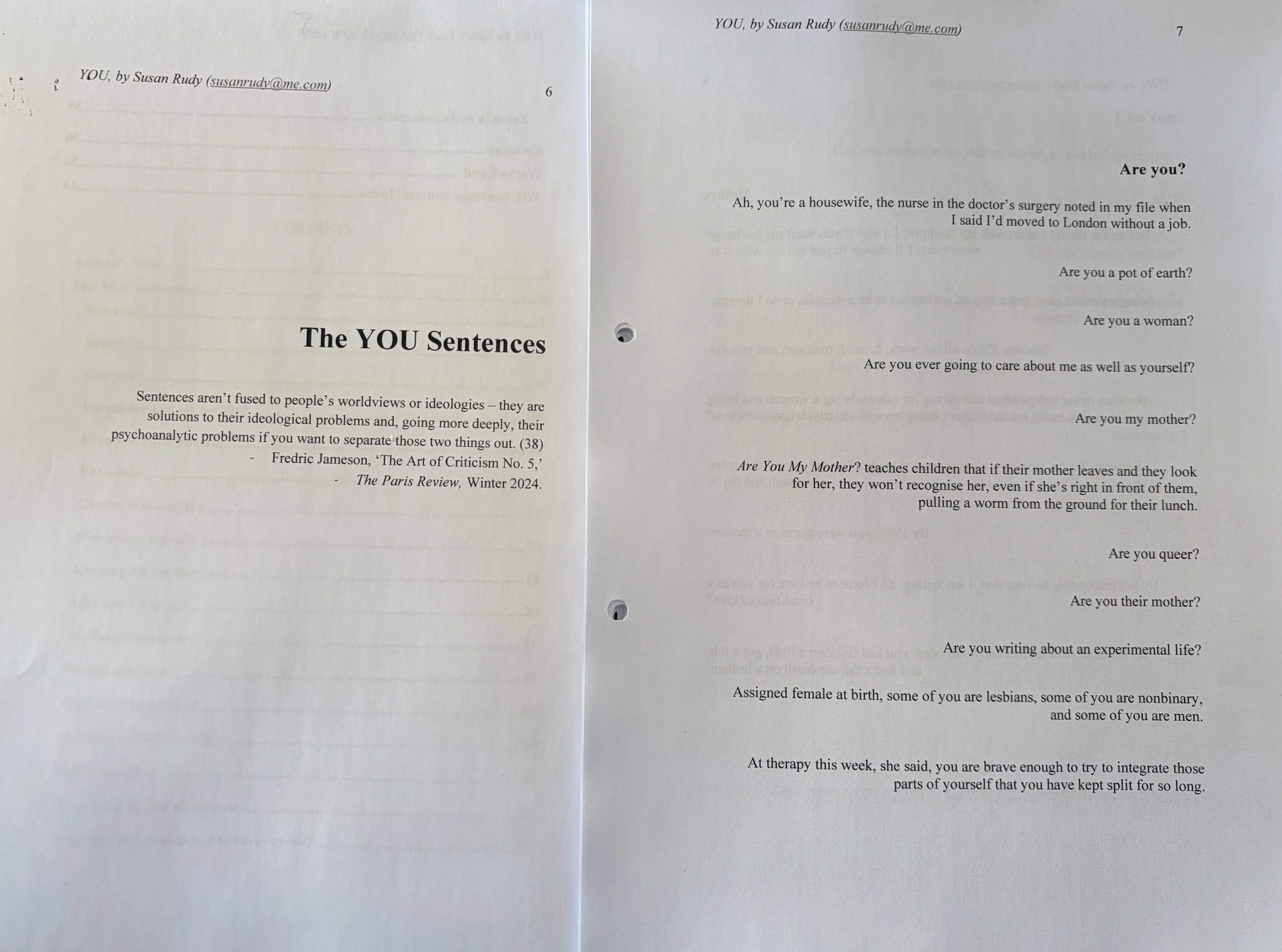
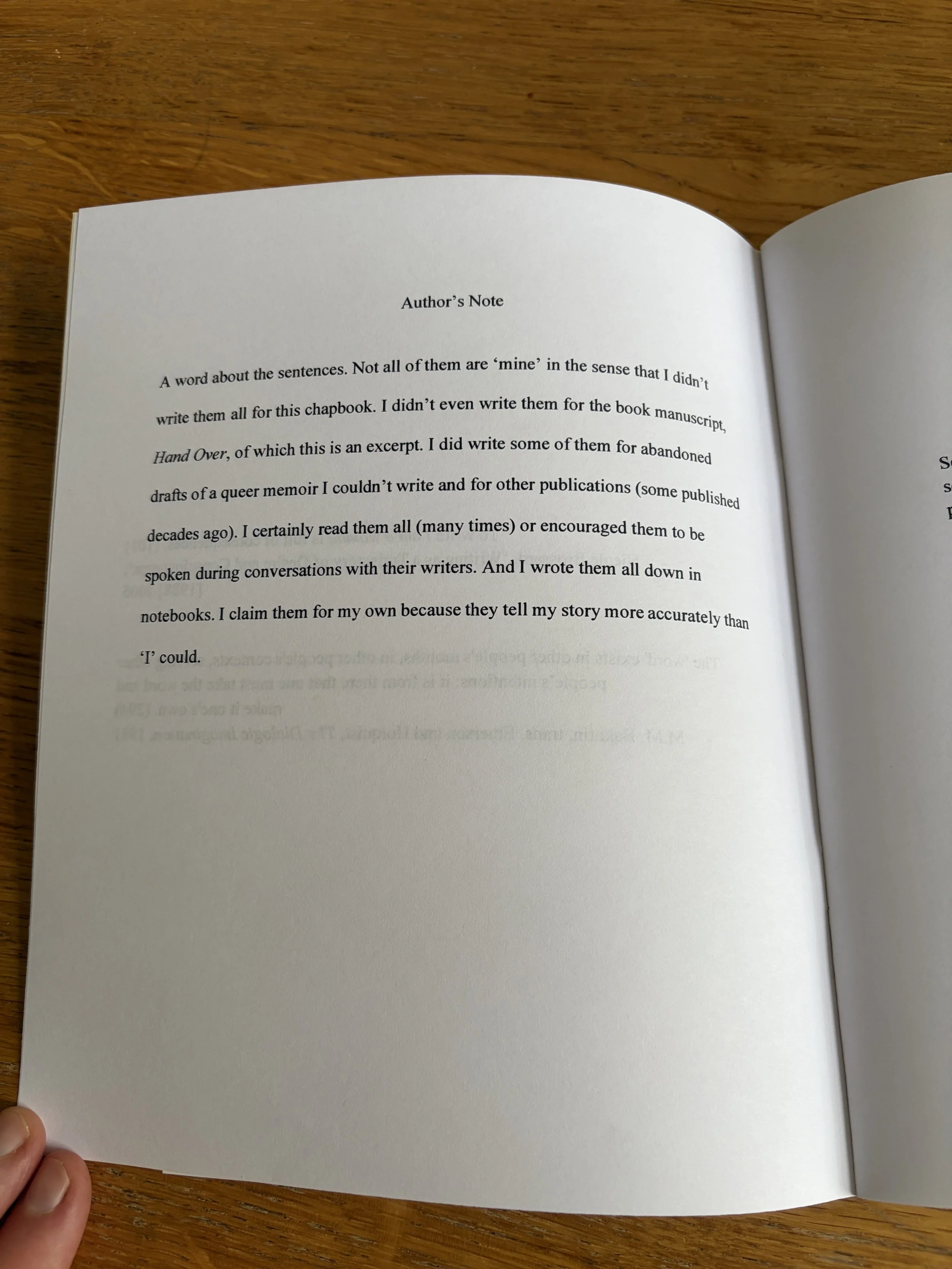
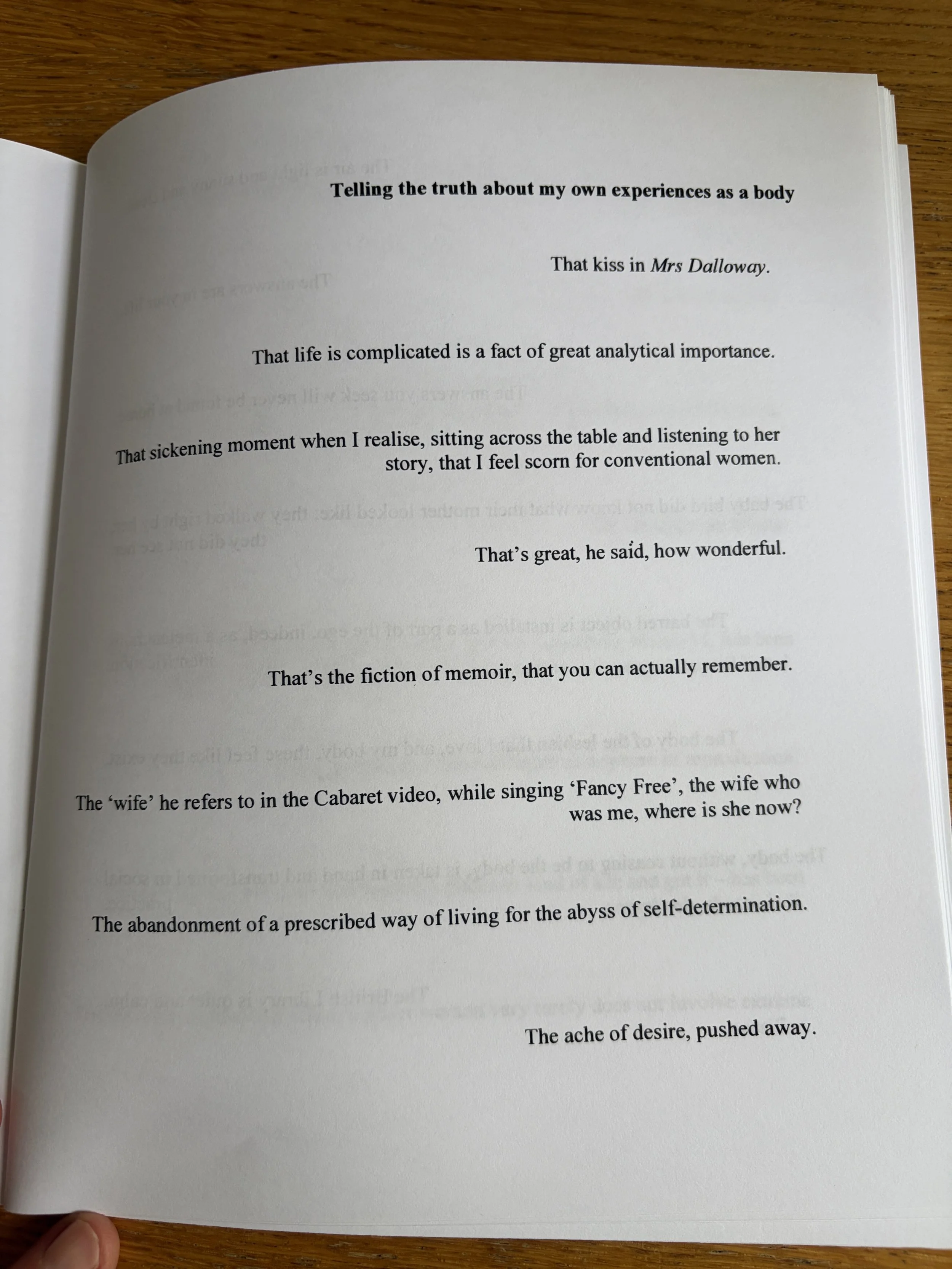
This book was not written in the usual sense. None of its sentences were composed for this chapbook. What you are reading is sections ‘T’, ‘U’, and ‘V’ of Hand Over, a manuscript which emerged during a six-week Leighton Artist Studios Residency at Canada’s Banff Centre for Arts and Creativity in 2024. The 1000 sentences in the manuscript were gathered—over years, across notebooks, drafts, conversations, and published pages—and brought together without attribution, without hierarchy, without the usual markers of ownership, and in alphabetical order. I have arranged the sentences so that they stand apart, right aligned, with space between them.
This spacing is deliberate: it slows the eye, isolates each phrase, and resists the flow of narrative. As you read, you will not know which words are mine and which are not, though you can find out easily by consulting this index. That uncertainty is not a flaw but a principle. It reflects the way language circulates—how voices overlap, echo, and refract through time. Authorship, here, is porous. Every sentence is a crossing: between self and other, past and present, intention and accident. This chapbook is less a composition than a constellation. It asks what happens when we let go of the boundaries of “I” and “you,” when we allow words to speak without names attached. It is an experiment in listening, in gathering, in acknowledging that no text – no writer – is ever solitary.
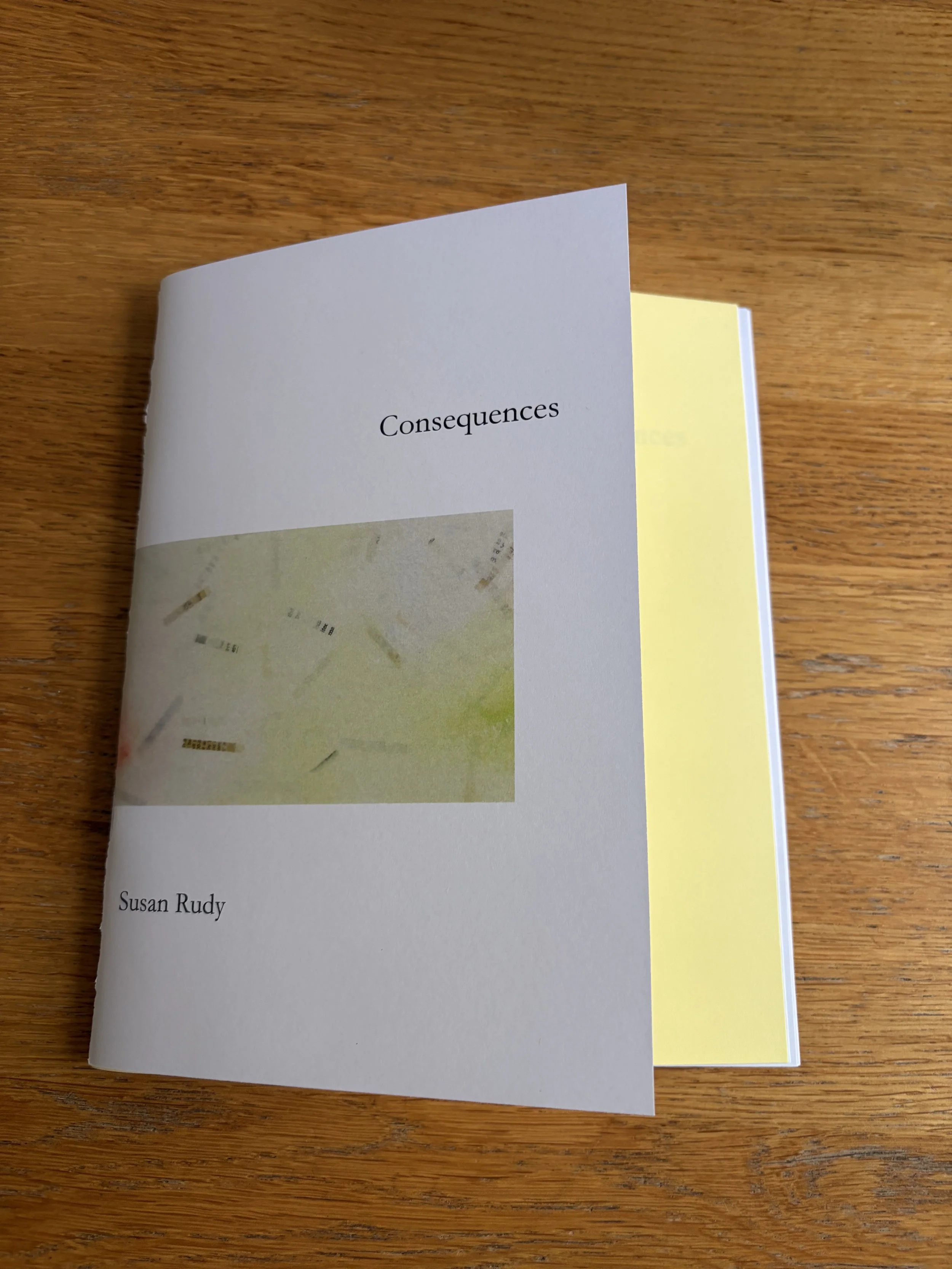
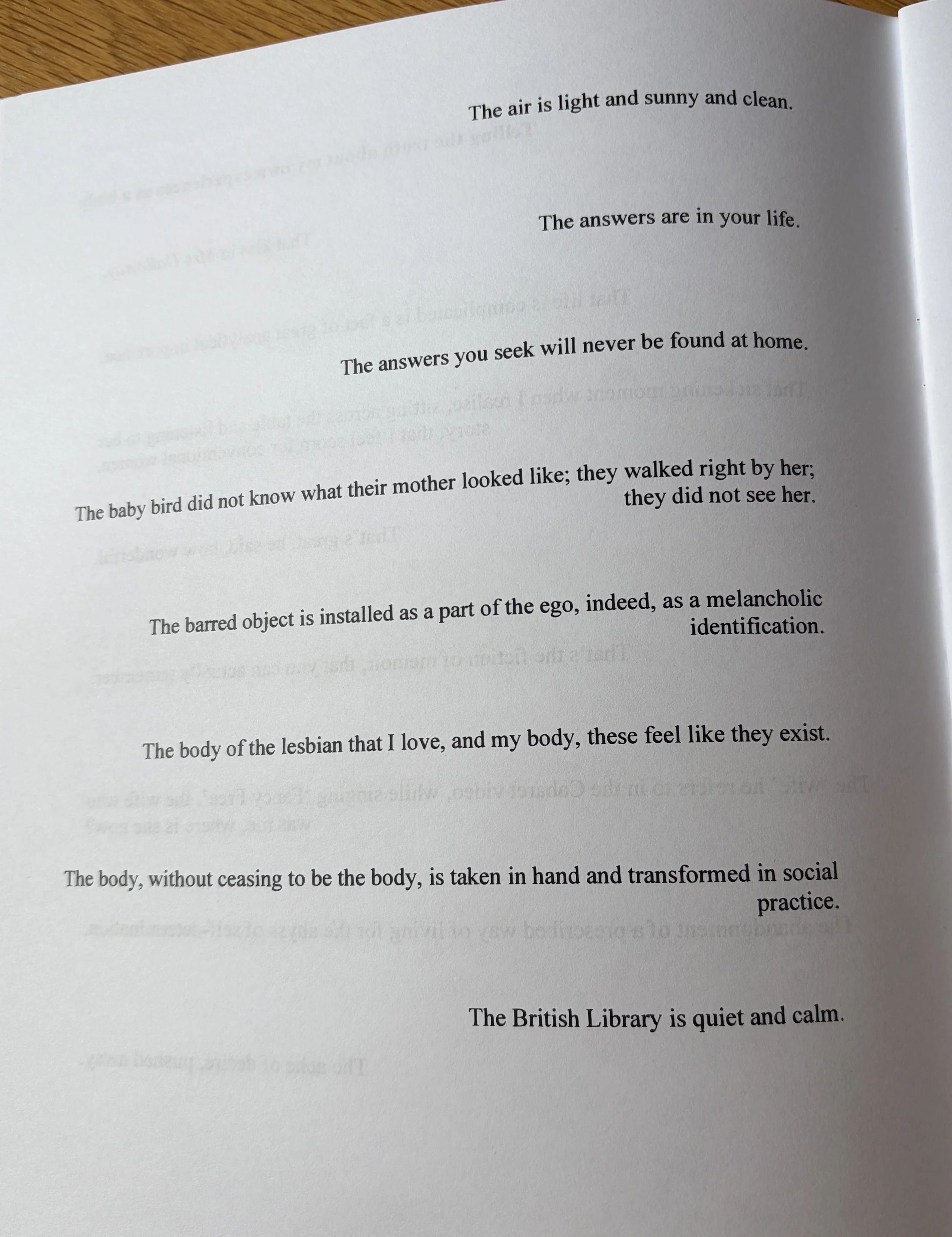
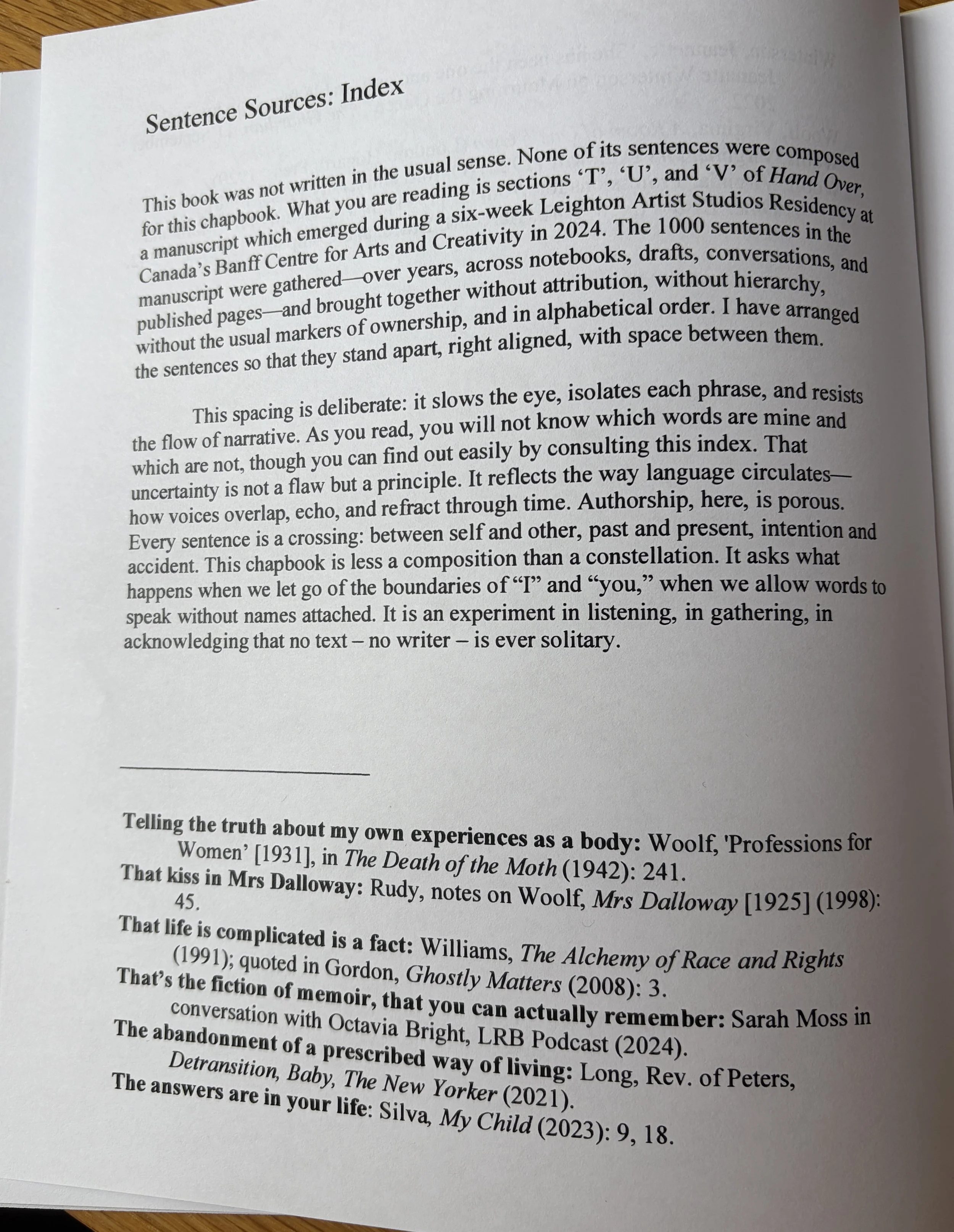
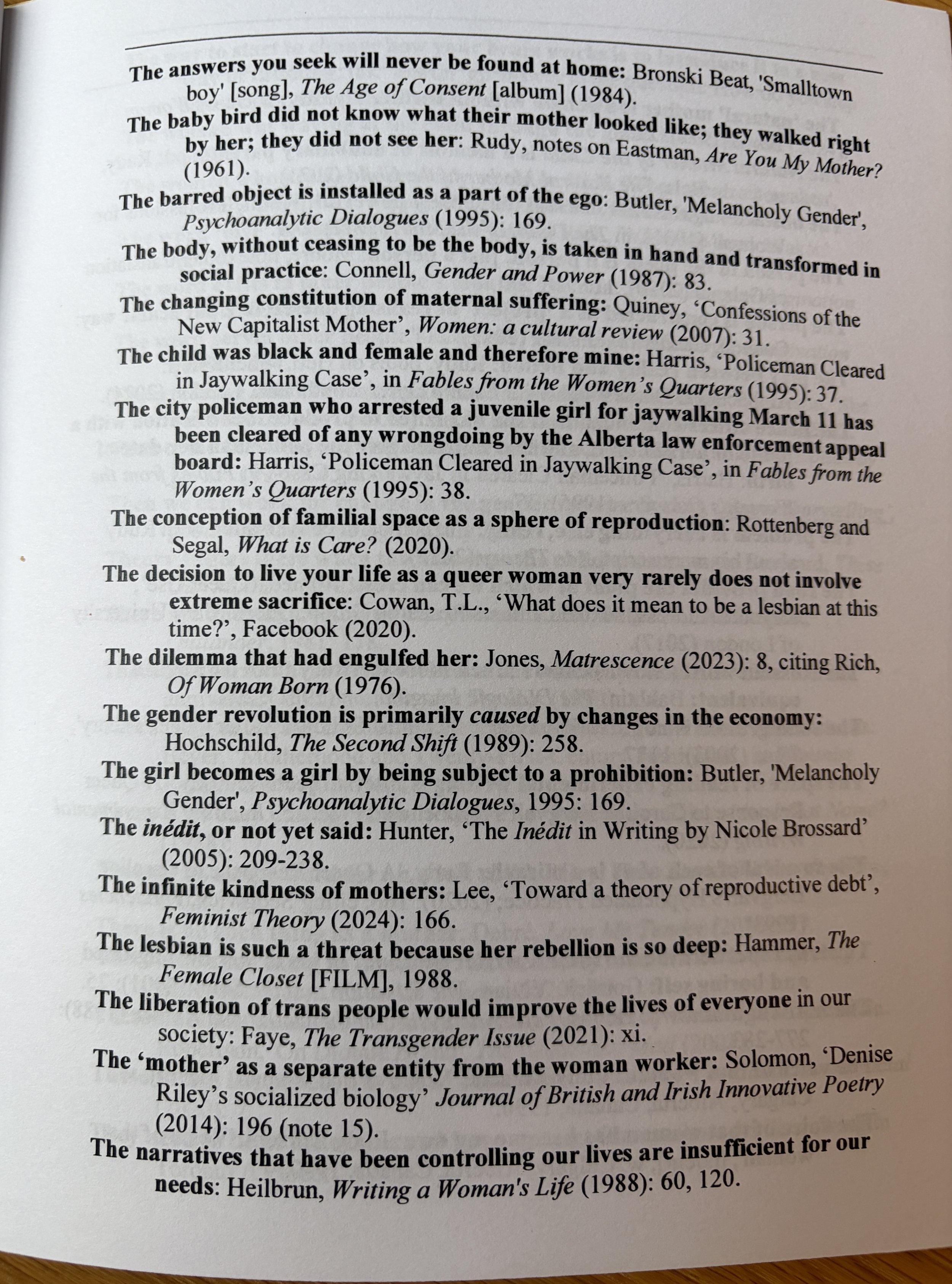
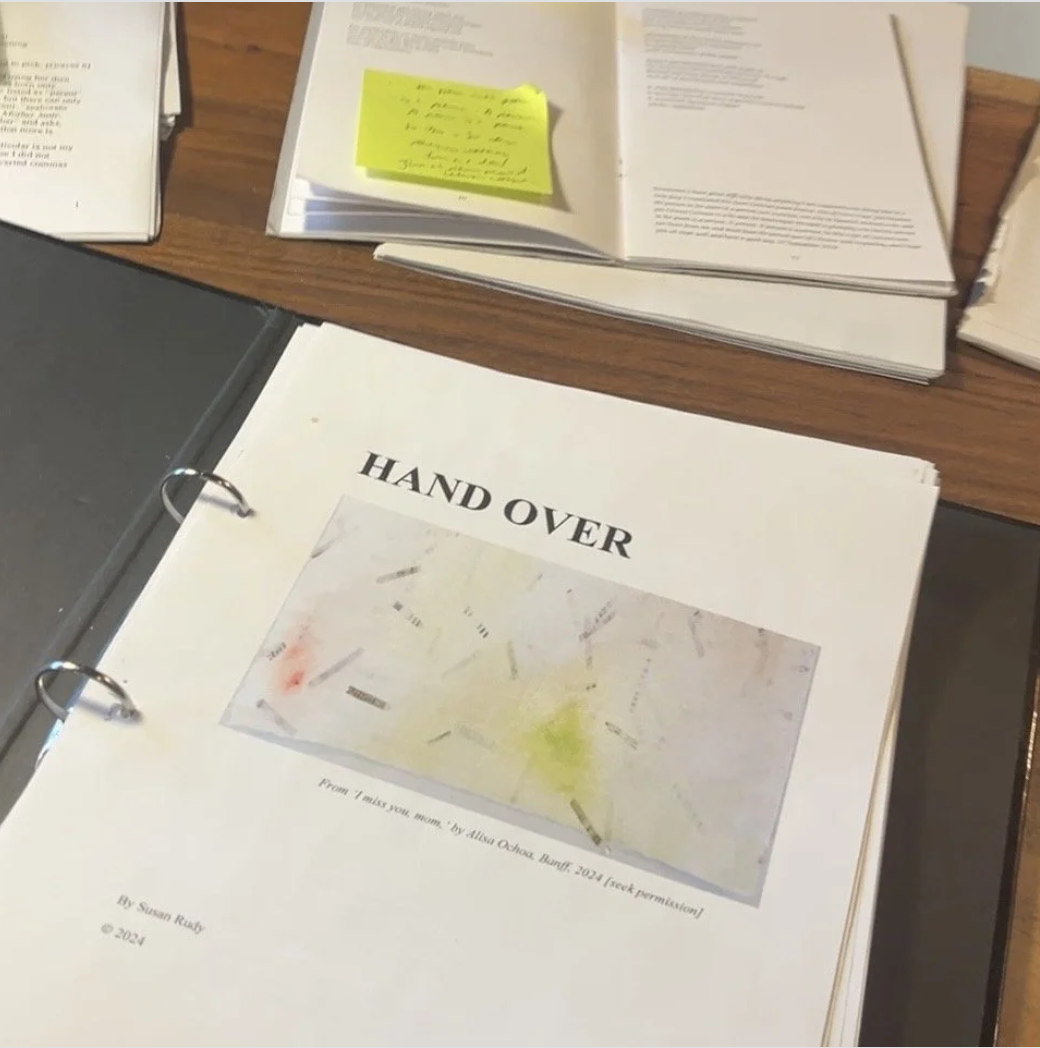
The Hand Over Book manuscript (2nd draft)
Hand Over grapples with the constraints, pleasures, and excesses of a life experience of gender. What does it mean to be a woman when you’re also an intellectual, queer, and (for years reluctantly) a parent and partner? What if you don’t relate to the role of woman at all?
The hand over of the title is multiple: feminists handing over ideas to each other, mothers to children, philosophy to politics, duty to love, theory to embodied living. Poignant, cynical, joyful, sad, the narrative unpicks a seeming cis normative life that reveals itself, gladly, to be anything but.
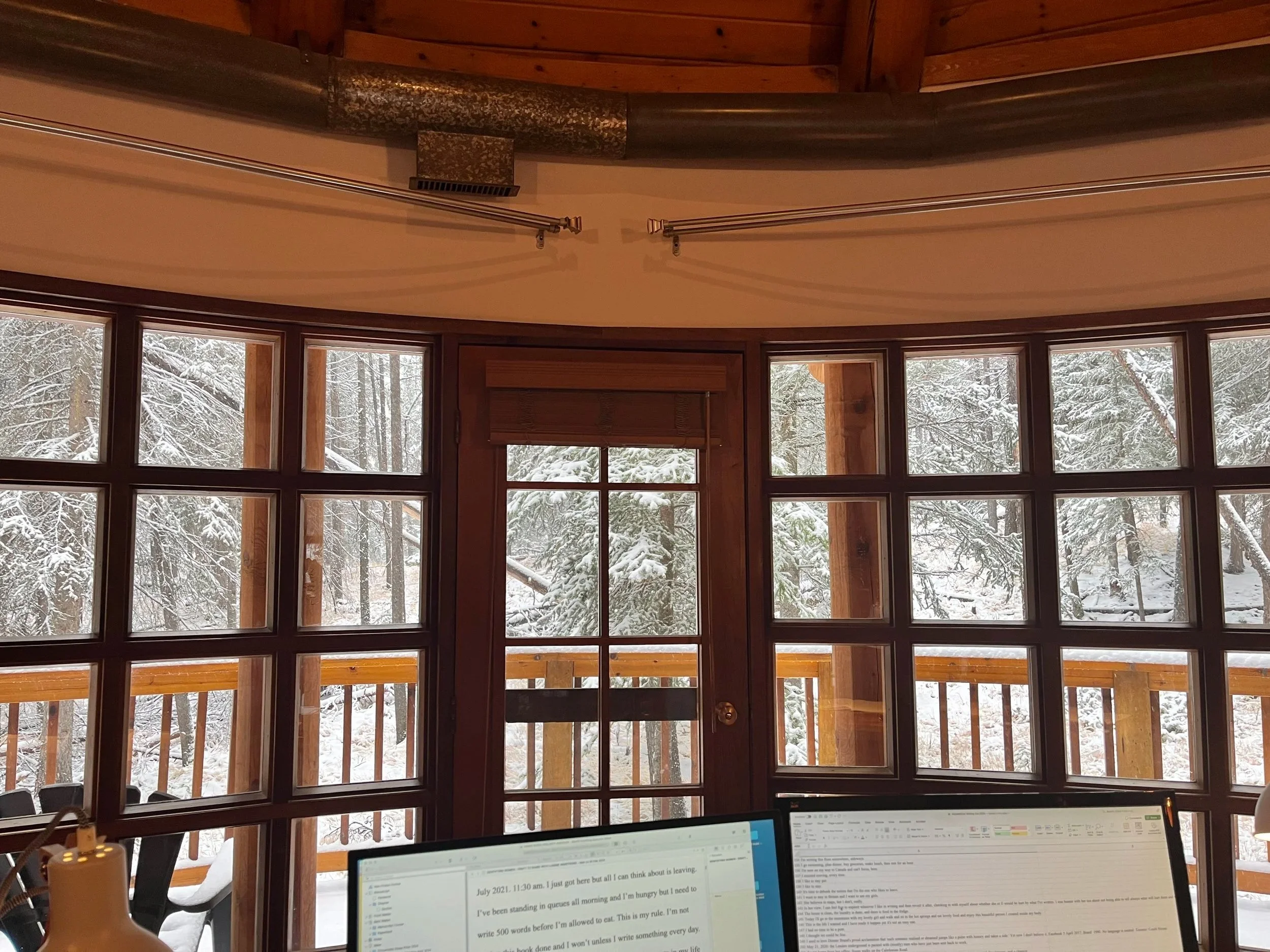
Preparing the first draft of Hand Over
The Banff Centre: Leighton Artist’s Studio Residence, Autumn 2024
During this residency, Hand Over was not written. Its sentences were assembled from notebooks, drafts, conversations, and published pages—some the author’s, some not, and some belonging to earlier versions of her. They were placed on the page without attribution, right aligned and spaced apart. I didn’t want you to be able to tell which voice is speaking but I wanted you to be able to find out so I added an index. I wanted that uncertainty so that authorship could drifts and every sentence could be a crossing. I wanted to find a way for time, gender, pronouns, and gender all to collapse, hoping in this the voice of queer selves might emerge, abundant in their contradictions.
Hand Over grapples with the constraints, pleasures, and excesses of a life experience of gender. What does it mean to be a woman when you’re also an intellectual, queer, and (for years reluctantly) a parent and partner? What if you don’t relate to the role of woman at all?
The hand over of the title is multiple: feminists handing over ideas to each other, mothers to children, philosophy to politics, duty to love, theory to embodied living. Poignant, cynical, joyful, sad, the narrative unpicks a seeming cis normative life that reveals itself, gladly, to be anything but.
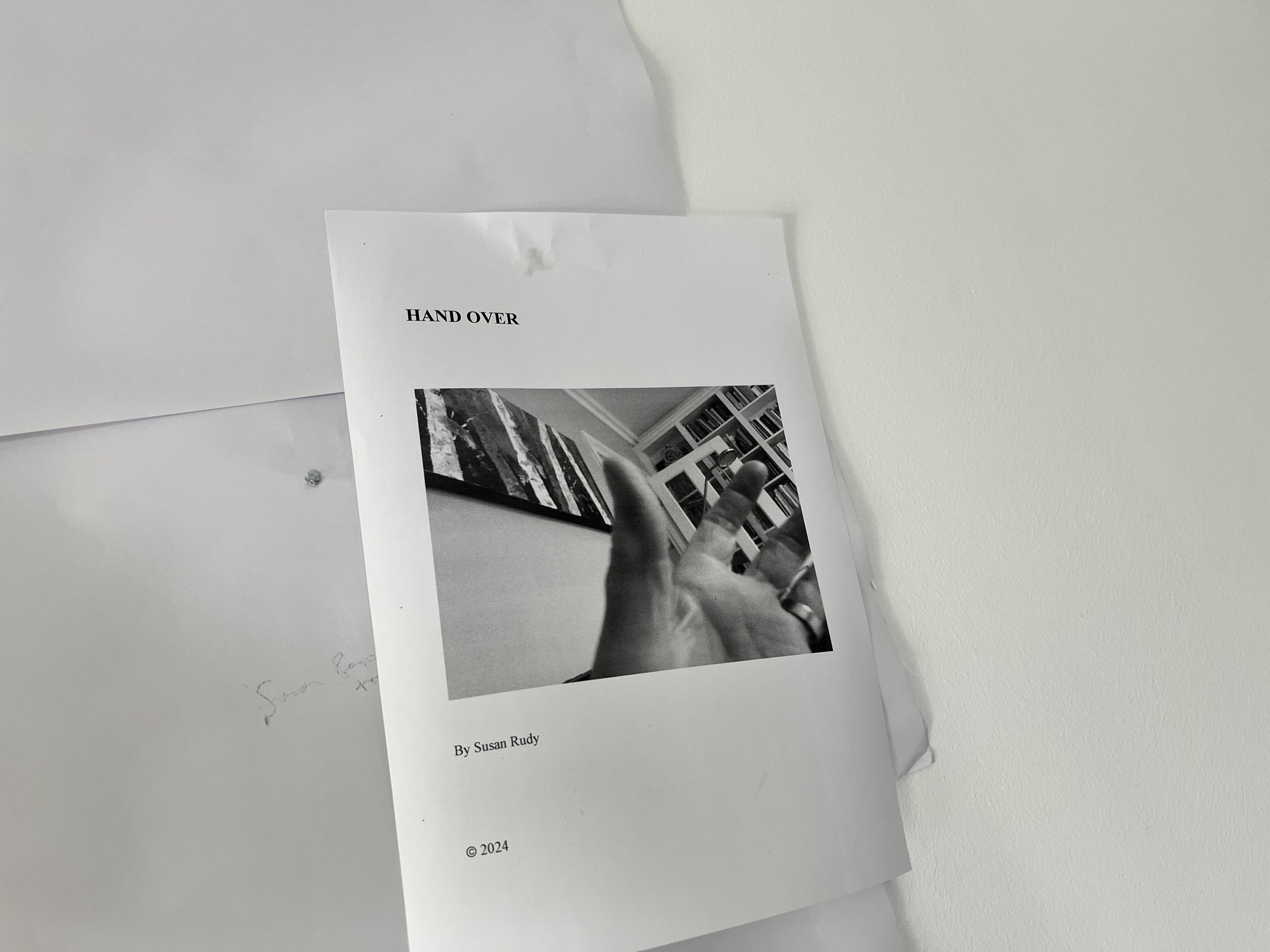
The Hand Over Book manuscript proposal
In my April 2024 application for the Banff Centre fellowship, I proposed spending six weeks producing the penultimate draft of Hand Over, an experimental life writing text that I have been working on since 2020. Although I had published poetry and creative non-fiction in the 1980s and 19990s (in The New Quarterly, The Fiddlehead, Canadian Fiction Magazine, Room of One’s Own, and Open Letter) and collaborated often with artists (including Caroline Bergvall, Nicole Brossard, Fred Wah), my practice has been focussed on carrying out interviews, doing academic research, and writing literary theory and criticism.
The idea for Hand Over emerged out of academic articles published around 2020 - on gender’s ontoformativity, archives of the self, and hyphenated practice — when I realised that a body of autobiographical material about gender and queer loss was asking to be articulated creatively. Working at home through the pandemic, I began and discarded several early drafts, and in May 2023 rented a studio above a bookshop in London that I set up as a working office for the project. By the fall of 2024 when I arrived at Banff, I sensed that somehow the manuscript would emerge out of a set of formal constraints I set up to draw on the research and writing I had done for the book and collected in a Scrivener Project. Inspired by Sheila Heti’s Autobiographical Diaries, I planned to first capture key sentences from the Scrivener Project then sort them alphabetically in an excel spreadsheet.
During the residency, I would find myself, after four weeks, with just over 1000 resonant sentences that, once alphabetised, I decided to place on the page, with lots of space between, just to see what I could make out of what I already had, which turned out to be a 175-page first draft of Hand Over.